.png)
A production schedule for a food plant lists what each line will make, when, and in what quantity, and then adds what generic templates leave out: allergen sequencing, changeover and sanitation time, and the lot that each run will produce. A master production schedule (MPS) is the longer-range version, the plan of what to make over the coming weeks, which the daily line schedule is cut from. The template below is built around those food-specific columns so the schedule itself helps prevent cross-contact and rework.
What a Food Production Schedule Template Should Include
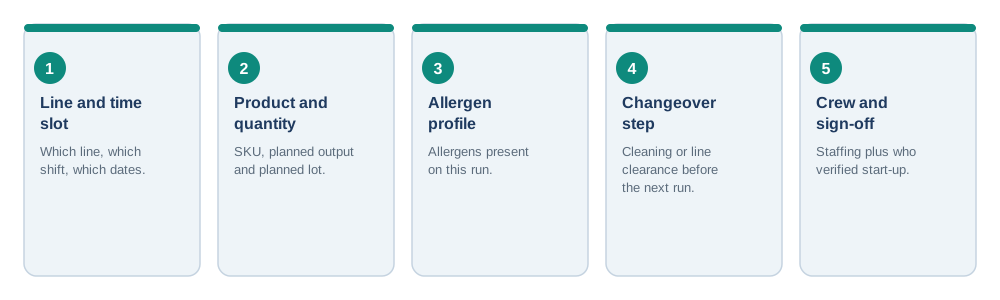
- Line and time slot. Which line, which shift, which dates. One row per run.
- Product and quantity. SKU, planned output, and the planned lot code so the schedule links to your traceability records.
- Allergen profile. The allergens present on this run, so the planner can see sequencing at a glance.
- Changeover step. The cleaning or line clearance needed before the next run and the time it takes.
- Crew and sign-off. Staffing, plus who verified start-up. This is where a schedule becomes a record.
Optional but useful columns: ingredient availability check, packaging availability check, planned start and end, target yield, and a notes column for holds or rework.
A Sample Row
Line 2, Tue 06:00 to 10:00. Oat granola, 1,200 kg, planned lot P1-6280-B1, contains oats, tree nuts. Next: allergen changeover (wet clean, ATP verify, about 90 minutes). Crew of four; start-up verified by line lead.
Sequence Runs to Reduce Allergen Risk
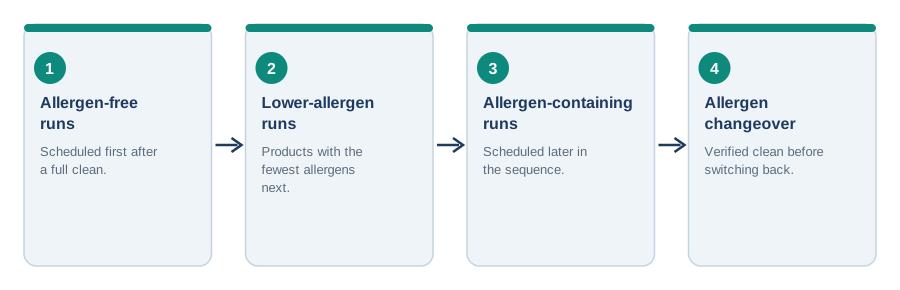
Under FDA's preventive controls rule, 21 CFR 117.135(c)(2) states that food allergen controls include procedures, practices, and processes to control food allergens, including protecting food from allergen cross-contact during storage, handling, and use. The schedule is one of your cheapest controls. A common approach is to run allergen-free products first after a full clean, move to products with fewer allergens, and put allergen-containing runs later, with a verified clean before returning to allergen-free product. Your own allergen control plan decides the exact rules; see our guide to building an allergen control plan that passes audit. Sanitation is covered in the same section of the rule: sanitation controls are the procedures that keep the facility in a condition that minimizes hazards such as environmental pathogens and allergens.
From Master Production Schedule to Daily Schedule
- Master production schedule. The medium-term plan: which products, in what quantities, across the coming weeks, based on committed orders and available capacity.
- Rough-cut capacity check. A quick comparison of the plan against line hours, labor, and key constraints such as a shared fill line or oven, before committing.
- Weekly schedule. The MPS broken into runs by line and day, with sequencing applied.
- Daily schedule. The line-level plan the floor works from, adjusted for what actually arrived and what actually happened yesterday.
This guide stops at scheduling what you have orders and capacity for. Forecasting demand is a separate discipline, and we're not covering it here.
How to Use the Template
- List the week's runs by line and put them in a first-pass order by due date.
- Re-sequence for allergens and for natural flavor or color progression, so changeovers are minimal.
- Add changeover times between runs and check the total against the shift.
- Confirm ingredient and packaging availability for every run before the day starts.
- Publish the schedule to the floor, then record actual start, end, quantity, and lot against each row.
Where Spreadsheet Schedules Break
- A rush order is slotted in without anyone checking the allergen sequence.
- Changeover time is assumed, not measured, so the day always overruns.
- The schedule and the production record are separate documents that never get reconciled.
- Ingredient shortages are discovered at the line, not the planning meeting.
For software that links planning to actual runs, see our post on production planning software for food manufacturers. IONI’s production and traceability software keeps the plan, the run, and the lots in one place beside your accounting system, so the schedule you publish is the same record the floor completes.
For the level above a daily schedule, see our guide to the master production schedule for food manufacturers.
FAQ
What should a production schedule template for a food plant include?
Line and time slot, product and quantity, planned lot code, allergen profile, changeover and sanitation steps with time allowances, and crew and start-up sign-off, plus ingredient and packaging availability checks.
What is a master production schedule?
A master production schedule is the plan of what a plant will produce, in what quantities and when, over a medium-term horizon. Daily and weekly line schedules are cut from it.
How do you schedule around allergens?
A common approach is to run allergen-free products first after a full clean, then products with fewer allergens, then allergen-containing runs, with a verified clean before returning to allergen-free product. Follow the rules in your own allergen control plan.
Does FDA require a production schedule?
The preventive controls rule does not prescribe a production schedule format. It does require allergen controls, including protection from cross-contact, and sanitation controls, and sequencing runs in the schedule is a practical way to support them.
What is rough-cut capacity planning?
A quick check of a proposed plan against key capacity limits such as line hours, labor, and constraint equipment before committing to the schedule.