.png)
Introduction: The Growing Complexity of Food Safety Compliance
Food safety compliance has become a continuous operating requirement, not a quarterly documentation sprint. Manufacturers want certification as a condition of doing business. Regulators want preventive controls that are implemented and provable. Auditors increasingly expect faster evidence retrieval, clearer accountability, and better linkage between hazards, controls, and corrective actions.
The risk environment reinforces this shift. In the United States, recalled units surged to 258.98 million units in the third quarter of 2025, the highest quarterly total in nearly three years. In parallel, recall events fell, which means fewer incidents can still create a larger impact when they occur.
In the European Union and the United Kingdom, Sedgwick reported 3,745 product recalls in the third quarter of 2025, and noted that year to date totals were 8.4 percent above the same period in 2024, keeping 2025 on track for a record year.
In Canada, the Canadian Food Inspection Agency states it oversees approximately 154 recall incidents a year.
When this is the operating reality, compliance must be designed for speed, traceability, and audit grade evidence, not for survival during audit week.
Understanding GFSI, SQF, BRC, and FSMA
GFSI as a Market Mechanism
Global Food Safety Initiative or GFSI is not a certification body. It is a benchmarking framework that recognizes certification programme owners whose schemes meet GFSI Benchmarking Requirements. GFSI describes this recognition as a “passport to the global market” for recognized programmes and for certified companies.
This is why many buyers and retailer portals ask for a GFSI recognized certification rather than naming a single standard. They are outsourcing supplier assurance to a benchmarked system.
SQF and BRCGS as Practical Audit Frameworks
Safe Quality Food (SQF) and BRCGS (Brand Reputation Compliance Global Standards) are among the most widely used GFSI recognized schemes in food manufacturing supply chains.
They translate food safety expectations into structured, auditable requirements, with heavy emphasis on HACCP principles, prerequisite programs, document control, verification, internal audits, corrective actions, and continuous improvement.
SQFI describes the SQF Food Safety Codes as industry specific codes used to help sites achieve SQF certification, and confirms the current SQF Code version as Edition 9, effective for audits starting in 2021.
BRCGS Global Standard Food Safety Issue 9 is widely used in international retail supply chains, and the official standard documentation confirms a transition period with certification against Issue 9 commencing on February 1, 2023. For a full walkthrough of requirements, grades, and timeline, see our guide to BRCGS certification.
FSMA as a Legal Baseline
Food Safety Modernization Act (FSMA), specifically the Preventive Controls for Human Food rule, requires covered food facilities to have a food safety plan that includes hazard analysis and risk based preventive controls to minimize or prevent identified hazards. The FDA’s FSMA page describes this requirement clearly and positions the food safety plan as a core obligation.
If you sell into the US, or manufacture within the US, FSMA is not optional. Certification to SQF or BRCGS does not replace regulatory compliance, but the underlying evidence overlaps significantly when your system is well designed.
What GFSI Recognized Standards Require in Practice
GFSI recognized standards differ in structure and language, but audit outcomes typically depend on the same operational pillars. These are the areas where auditors spend time and where nonconformities accumulate when systems are manual.
1. HACCP based hazard management that reflects real production
HACCP software must be aligned to the products, processes, and actual operating conditions. Auditors commonly test whether hazards are identified credibly, whether controls are appropriate, whether monitoring is performed as described, and whether verification demonstrates control.
For SQF, the structure heavily relies on competent HACCP implementation and role requirements. The SQF Code Edition 9 document specifies that SQF practitioners are required to successfully complete HACCP training of minimum two day duration and assessment.
2. Prerequisite programs that are executed consistently
Sanitation, allergen management, preventive maintenance, calibration, hygiene, pest control, and environmental monitoring are foundational. Failures here often show up as trend issues, repeat deviations, and audit findings related to evidence quality.
3. Document control that proves governance
Controlled documents are not just stored documents. Auditors care about approvals, version history, distribution control, periodic review, and proof that the current version is in use.
4. Training and competence tied to tasks and changes
When procedures change, training must follow. When roles change, competence must be provable. When shifts rotate, execution must stay consistent.
5. Internal audits, CAPA, and continual improvement
Auditors test whether the company corrects issues permanently, not whether it closes tickets quickly. Root cause analysis, corrective and preventive actions, and verification of effectiveness matter.
6. Traceability and recall readiness
Certification audits increasingly treat traceability as a practical capability, not a paper capability. Mock recalls and trace exercises test whether you can connect ingredients, finished goods, and distribution records quickly.
7. Standards evolve, so systems must evolve
Standards are not static. In September 2025, SQFI stated that the release of SQF Code Edition 10 was delayed due to an extension in the GFSI benchmarking application timeline running through March 2026, and referenced a reconvened working group reviewing benchmarking requirements
This matters because it signals ongoing change in expectations and interpretation. If your compliance tool depends on manual updates and local interpretation, it becomes brittle as standards evolve.
Where Manual Compliance Breaks Down
Manual compliance breaks down for predictable reasons. The failures are rarely about lack of knowledge. They are usually about workflow architecture.
- Evidence is produced after the fact
Paper logs, spreadsheets, and disconnected form systems create a gap between work done and work proven. In audits, this becomes missing records. In incidents, it becomes a delayed response.
- Document control becomes uncontrolled
Outdated SOPs on the floor are one of the most common root causes behind audit nonconformities. Shared drives and PDFs create distribution without governance.
- CAPA becomes narrative instead of a system
Email driven corrective actions rarely enforce verification of effectiveness. The same deviations reappear because the loop is not closed.
- Multi site consistency fails quietly
Different sites interpret the same requirement differently. Corporate policy exists, but execution diverges. Evidence becomes non comparable, and corporate QA loses real visibility.
- Incident response exposes weak traceability
A high pressure recall event is where manual systems collapse fastest.
In October 2025, the FDA described a major recall and outbreak investigation related to prepared pasta meals due to potential Listeria monocytogenes contamination. As of September 25, 2025, the FDA reported 20 infected people across 15 states, 19 hospitalizations, 4 deaths, and one pregnancy related fetal loss.
The same event also shows a modern reality: ingredient and component risk can propagate through downstream brands and private label channels. When this happens, companies need fast, defensible linkage among ingredient lots, production runs, sanitation history, environmental monitoring, and finished goods distribution.
- The market environment increases pressure on readiness
Recall frequency and scale trends shape customer expectations. Sedgwick’s Q3 2025 US press release highlights the 258.98 million units impacted in that quarter.
Sedgwick’s Q3 2025 European press release highlights 3,745 recalls across the EU and UK and emphasizes elevated year to date activity.
CFIA’s recall statistics emphasize that recall incidents are a consistent part of the operating environment.
What AI Automation Really Means for Food Safety Compliance
AI automation in food safety is often misrepresented. In a serious compliance environment, AI should not replace accountability or professional judgment. It should reduce administrative burden and increase system reliability.
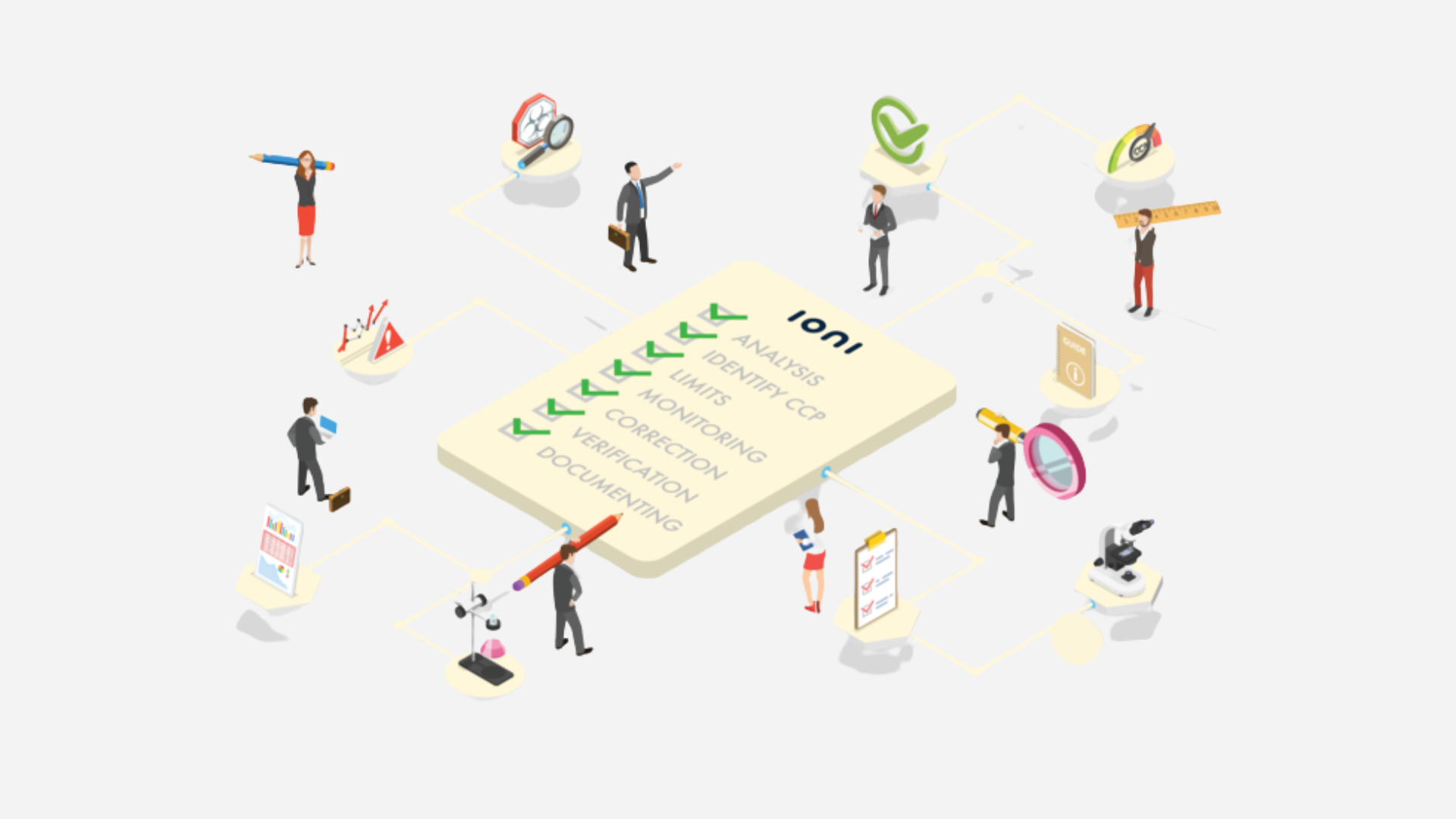
A practical definition is this: AI automation is the combination of structured workflows of food safety software, evidence capture, and intelligent assistance that improves the probability that required controls are executed, recorded, and retrievable.
What AI should do in a compliance system:
- Convert standards and regulations into structured requirements and tasks.
- Reduce manual effort in document drafting, classification, and routing, while preserving approvals.
- Detect gaps early, such as overdue checks, missing records, expiring training, or uncontrolled documents.
- Improve retrieval, so the system can answer auditor questions and incident questions quickly.
- Support traceability and investigation workflows with faster evidence assembly.
This mirrors how investigations work in real outbreaks. CDC materials explain that investigators use tools such as whole genome sequencing to link illnesses and identify outbreaks, and investigations are dynamic with multiple steps occurring in parallel.
In practice, that dynamic investigative process creates demand for fast operational records. The companies that respond well are the ones with structured evidence and governance.
Automating Documentation for GFSI, SQF, BRC, and FSMA
Automation becomes truly valuable when documentation is no longer a separate activity, but a direct output of how food safety is managed day to day. The core problem with manual systems is not the lack of documents, but the disconnect between real operations and the evidence auditors and regulators expect to see.
IONI is designed specifically to close that gap by turning food safety requirements into structured, executable workflows that continuously generate audit ready documentation.
From onboarding to a living compliance system
IONI starts with structured onboarding that reflects how facilities actually operate. Instead of uploading finished documents, teams define their facility context, including sites, production lines, product categories, allergens, suppliers, and key process steps. This information becomes the backbone of the system.
Based on this operational context, IONI supports the setup of HACCP and preventive control structures aligned with certification and regulatory expectations. Hazards, controls, monitoring activities, verification activities, and corrective actions are represented as connected elements rather than static text. This is critical for haccp sqf programs, where auditors routinely verify that the HACCP plan is not only accurate, but actively implemented and maintained.
The practical outcome is that documentation is no longer written once and stored. It evolves together with the operation.
HACCP, SOPs, and records connected by design
In many organizations, HACCP plans, SOPs, and records exist in different tools or formats. That separation is one of the main reasons audits uncover gaps. IONI removes this fragmentation by linking core food safety elements directly.
HACCP and prerequisite programs define what must be controlled. SOPs define how controls are executed. Operational records prove that controls were executed as defined. In IONI, these three layers are connected.
When an SOP is created or updated, it is version controlled and approved within the platform. The same SOP can be linked to specific HACCP controls, monitoring tasks, or verification activities. When operators complete checks or inspections, records are captured in a structured format and automatically associated with the relevant control and procedure. This creates a clear and defensible chain of evidence that supports sqf food safety and brc food safety audits without manual compilation.
Digital records that replace paper without losing control
IONI replaces paper logs and disconnected spreadsheets with structured digital records designed for production environments. Monitoring checks, sanitation activities, allergen controls, calibration checks, and verification activities are executed through guided workflows.
Each record captures the context auditors care about: site, line, product, lot, time, and responsible person. Required fields and validation rules reduce incomplete or incorrect entries. This is especially important for FSMA preventive controls, where regulators expect records to demonstrate consistent implementation of the food safety plan.
Because records are created as part of daily work, documentation gaps become visible immediately. Instead of discovering missing records during an audit, teams see exceptions as they occur and can correct them in real time.
CAPA and deviation management as structured evidence
Corrective and preventive action is one of the most scrutinized areas in SQF and BRC audits. Manual CAPA processes often rely on emails, meeting notes, or standalone trackers, which weakens traceability and effectiveness verification.
IONI treats CAPA as a controlled workflow. Deviations from monitoring, internal audits, complaints, or inspections can trigger corrective actions directly in the system. Root cause analysis, corrective actions, responsibilities, due dates, and verification of effectiveness are all captured as part of one connected record.
This structure is critical for brc food safety compliance, where auditors routinely assess whether corrective actions address root causes and whether effectiveness has been verified. It also supports FSMA expectations around corrective actions and reanalysis when preventive controls fail.
Audit readiness built into daily operations
One of the most significant benefits of IONI is that audit readiness is continuous. Because requirements, documents, records, and CAPA are connected, the platform can show evidence of completeness by program area and by site.
Instead of assembling audit binders manually, teams can retrieve documentation mapped to certification clauses or regulatory expectations. This applies equally to SQF audits, BRC audits, customer assessments, and regulatory inspections. Evidence is not recreated for each audit. It already exists as part of the system.
This approach is particularly valuable when standards evolve. When requirements change or new emphasis areas are introduced, updates can be reflected centrally in workflows and documentation expectations, rather than relying on manual interpretation at each site.
One documentation system for certification and regulation
A key advantage of IONI is that the same documentation supports multiple frameworks. HACCP execution, prerequisite program records, document control, training evidence, internal audits, and CAPA can all be used to demonstrate compliance with GFSI recognized standards and with preventive controls requirements.
This eliminates the common situation where SQF or BRC documentation is maintained separately from FSMA records. Instead, one operational system produces evidence that satisfies both certification and regulatory needs.
For teams searching for sqf food safety, haccp sqf, or brc food safety solutions, this integration is the practical difference between managing compliance as paperwork and managing it as a controlled process.
Documentation as an output, not a burden
IONI does not aim to generate more documents. It aims to reduce the need for manual documentation work by making evidence creation automatic.
By connecting onboarding, HACCP, SOPs, records, CAPA, and audits into one platform, IONI turns daily food safety execution into structured, searchable, and defensible documentation. Auditors see consistency. Regulators see implementation. Teams spend less time compiling and more time controlling risk.
That is how automation simplifies documentation for GFSI, SQF, BRC, and FSMA without sacrificing control, credibility, or audit defensibility.
Get started with IONI today to digitize your floor, automate QA tasks, and ensure audit readiness. AI-powered onboarding gets your small facility up and running in days.
Business Benefits of AI Driven Compliance
The business case for AI driven compliance is not limited to passing audits. It is about operating faster, with lower risk and higher confidence.
1. Reduced audit preparation time and disruption
When evidence is continuously produced and clause mapped, audit readiness becomes visible and measurable. Teams stop spending weeks searching for records and start spending time improving systems.
2. Faster customer response and fewer escalations
Major buyers increasingly expect rapid proof. Customer questionnaires, supplier portals, and incident response requests often require evidence packs. A structured system turns those requests into exports.
3. Stronger incident defensibility
When an outbreak investigation occurs, speed matters. The FDA prepared pasta meals recall notice shows how severe outcomes can be and how quickly investigations become multi state and multi brand.
A structured evidence system improves the ability to respond with accuracy, rather than reconstructing history under pressure.
4. Better control in a high recall environment
Sedgwick’s data highlights that recall impact can be defined by volume, not only frequency. When recalled units can surge dramatically, traceability speed and evidence completeness become more valuable operational capabilities
5. Scalable governance across sites, brands, and languages
As companies expand, compliance complexity grows non linearly. The challenge is not writing policies. The challenge is consistent execution. A platform that supports role based control, corporate templates, and local execution improves consistency without slowing plants down.
What to Look for in an AI Compliance Platform
This is the section where many buying decisions are won or lost. If you are selecting a platform to support SQF food safety certification, haccp SQF execution, brc food safety audits, and preventive controls requirements, you need to evaluate capabilities that survive real audits and real incidents.
Below is a practical checklist, paired with what IONI is designed to deliver.
1. Standards and regulatory mapping that matches how audits work
What to look for:
A platform must translate standards into structured requirements that can be evidenced. If you only have folders of documents, you will still compile evidence manually.
How IONI helps:
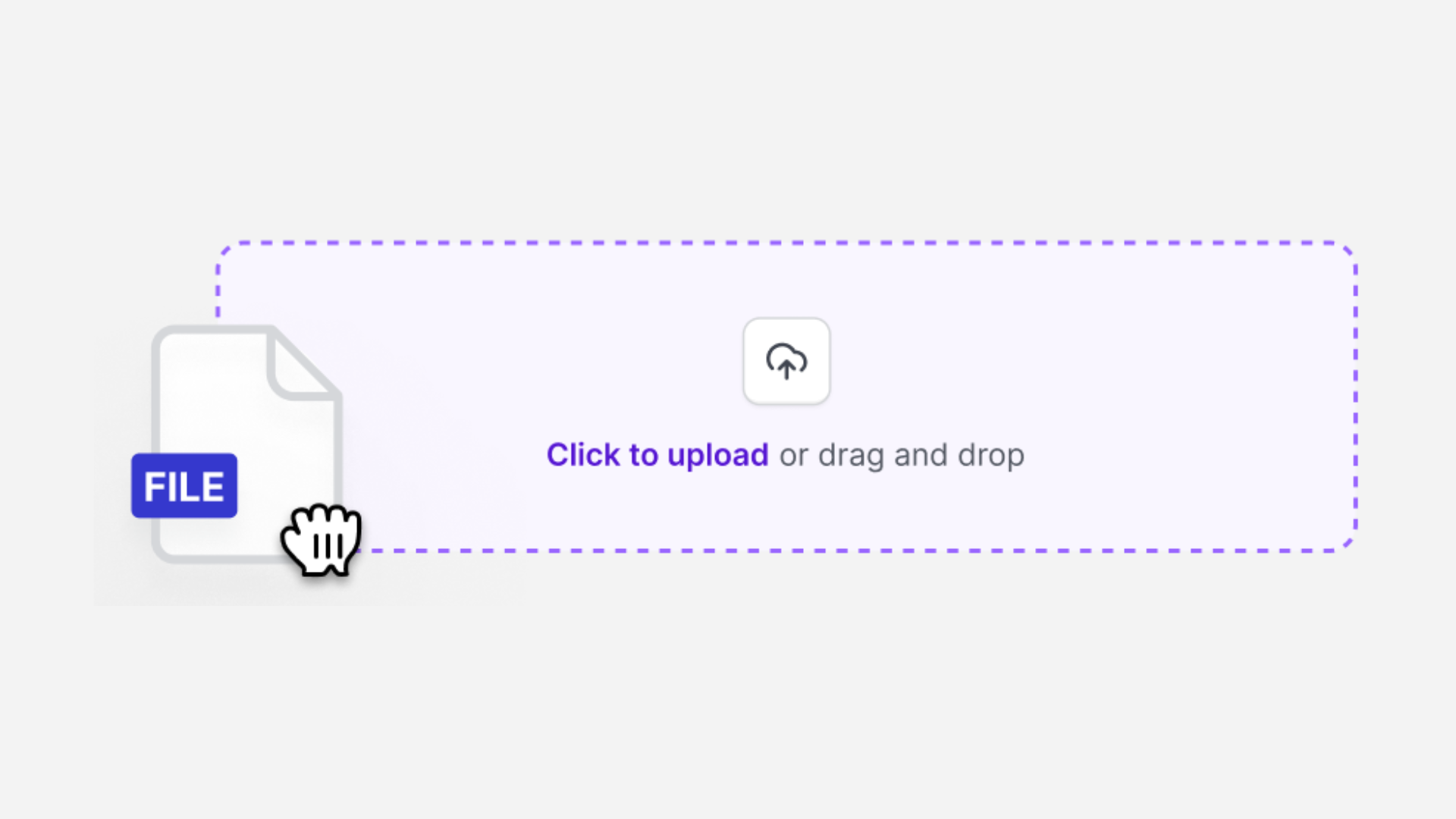
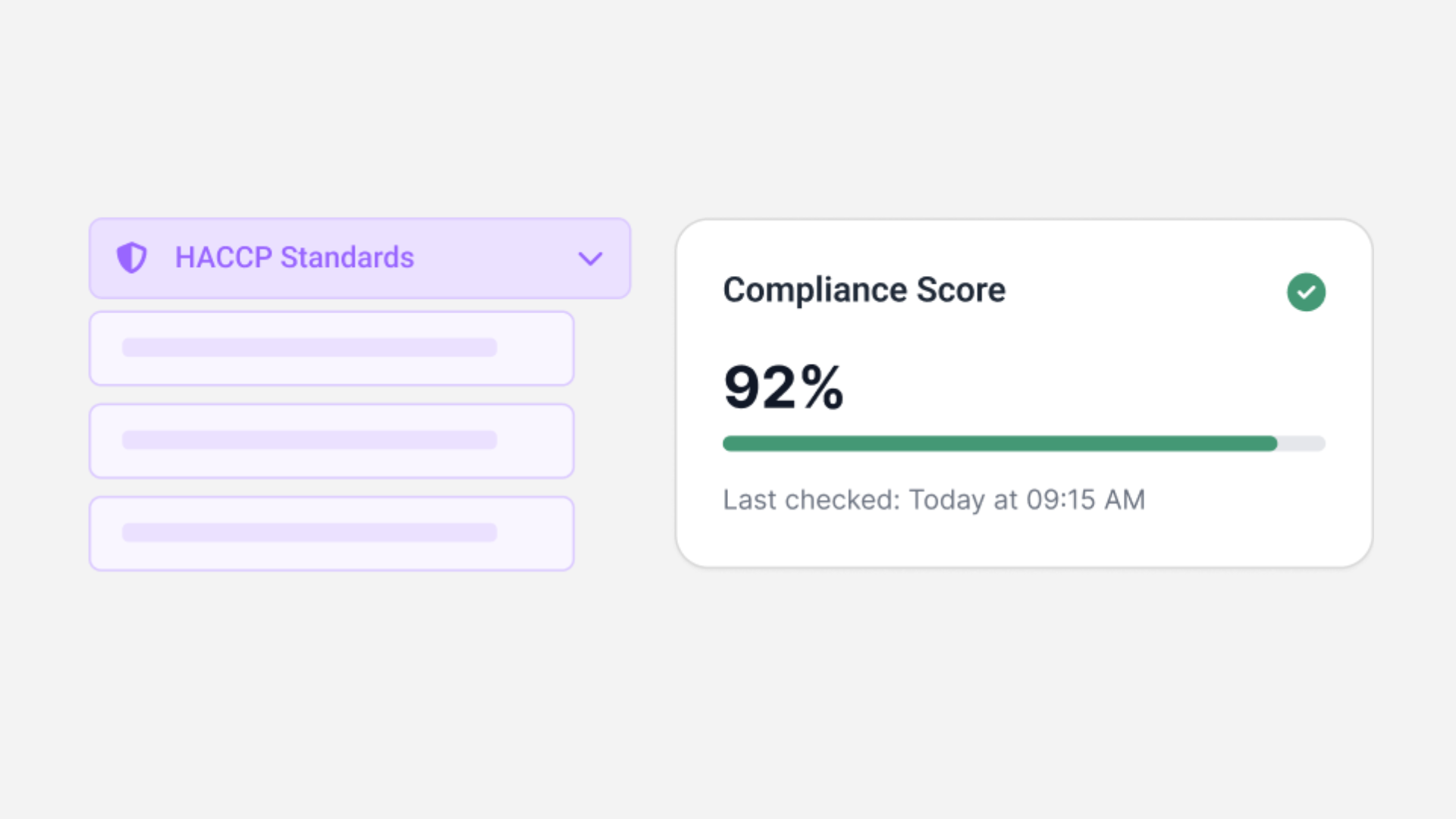
IONI is built around a requirements layer. You define your scope, such as SQF, BRCGS, and preventive controls obligations, then link each requirement area to the workflows and records that will satisfy it. The practical outcome is a readiness view that shows evidence completeness by requirement area and by site.
Why this matters now:
Standards evolve. SQFI confirmed in September 2025 that SQF Code Edition 10 release timing was delayed due to the GFSI benchmarking timeline running through March 2026.
When standards evolve, a structured requirement system makes it easier to update, roll out changes, and prove change control.
2. HACCP modeled as a living system, not stored as a static file
What to look for:
If HACCP is a PDF, your system will behave like a PDF. The best systems represent hazards, controls, monitoring, verification, and corrective actions as structured data linked to execution.
How IONI helps:
IONI links process steps, hazards, and controls to day to day tasks. Monitoring records are automatically associated with the relevant control. Deviations trigger CAPA workflows rather than becoming notes on logs. This is critical for haccp sqf maturity because auditors commonly trace from a control to months of records, then to deviations, then to corrective action effectiveness.
3. Document control that prevents outdated procedures from being used
What to look for:
Document control must include approvals, version history, controlled publishing, periodic review, and proof of acknowledgement.
How IONI helps:
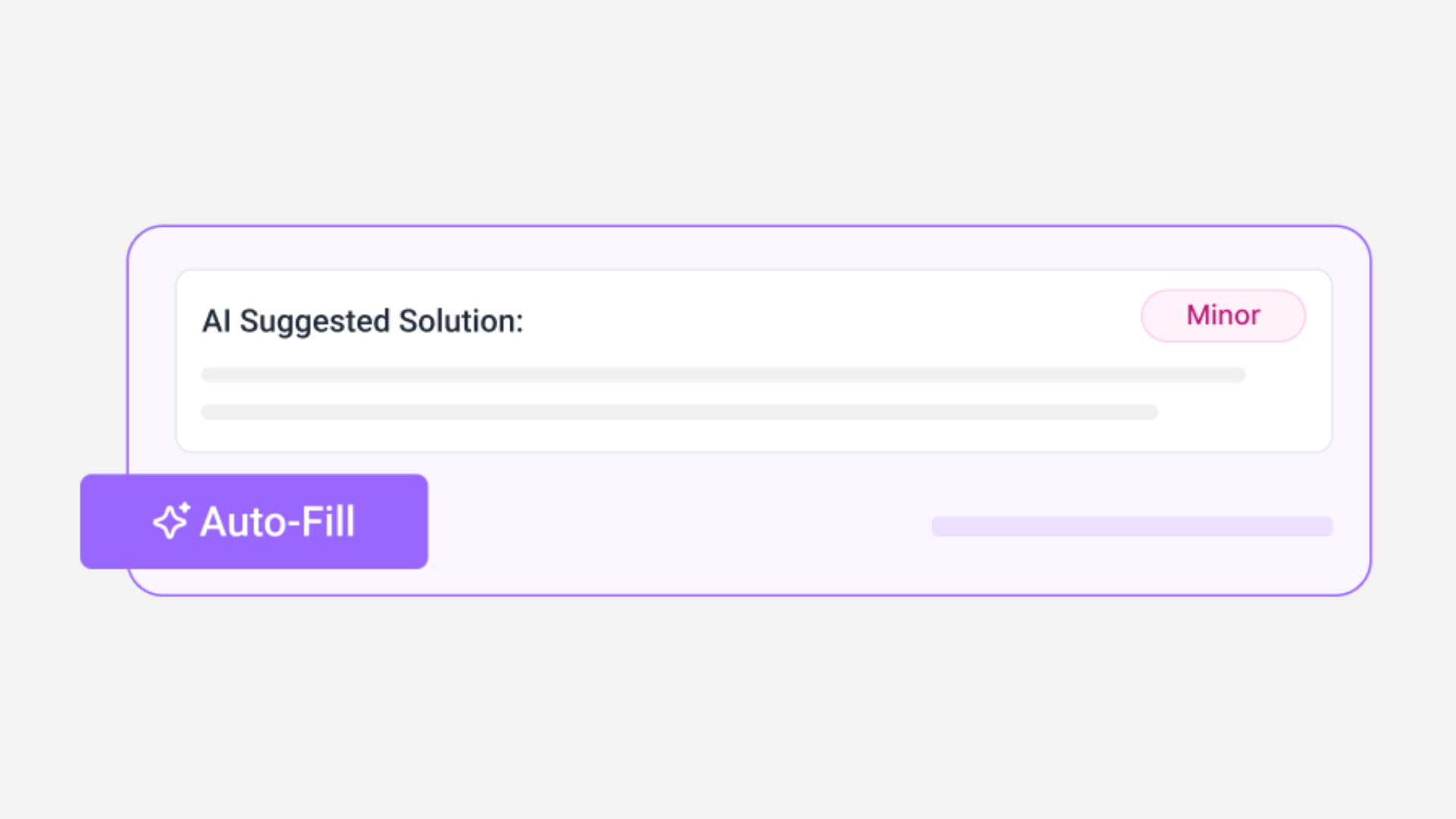
IONI centralizes controlled documents with governance workflows. When a procedure changes, it can route approvals, publish the new version, retire the old, and trigger acknowledgements and retraining assignments. This directly addresses a common audit failure: procedures exist, but the floor is using an old version.
4. Evidence capture at the point of work with audit grade context
What to look for:
A platform must capture records with context, including site, line, product, lot, time, and responsible person, and must link records to the control and requirement being satisfied.
How IONI helps:
IONI treats evidence as structured events rather than files. Records are indexed and searchable by product and lot as well as by requirement area. That improves both audit performance and incident response performance.
Real case pressure:
The FDA prepared pasta meals recall highlights the need for rapid traceability and defensible records during an investigation.
A system that cannot retrieve evidence quickly forces teams into reconstruction mode at the worst possible time.
5. CAPA that enforces closure quality and verification of effectiveness
What to look for:
Auditors look for disciplined CAPA, not quick CAPA. The platform should enforce containment, root cause, corrective actions, preventive actions, and effectiveness verification.
How IONI helps:
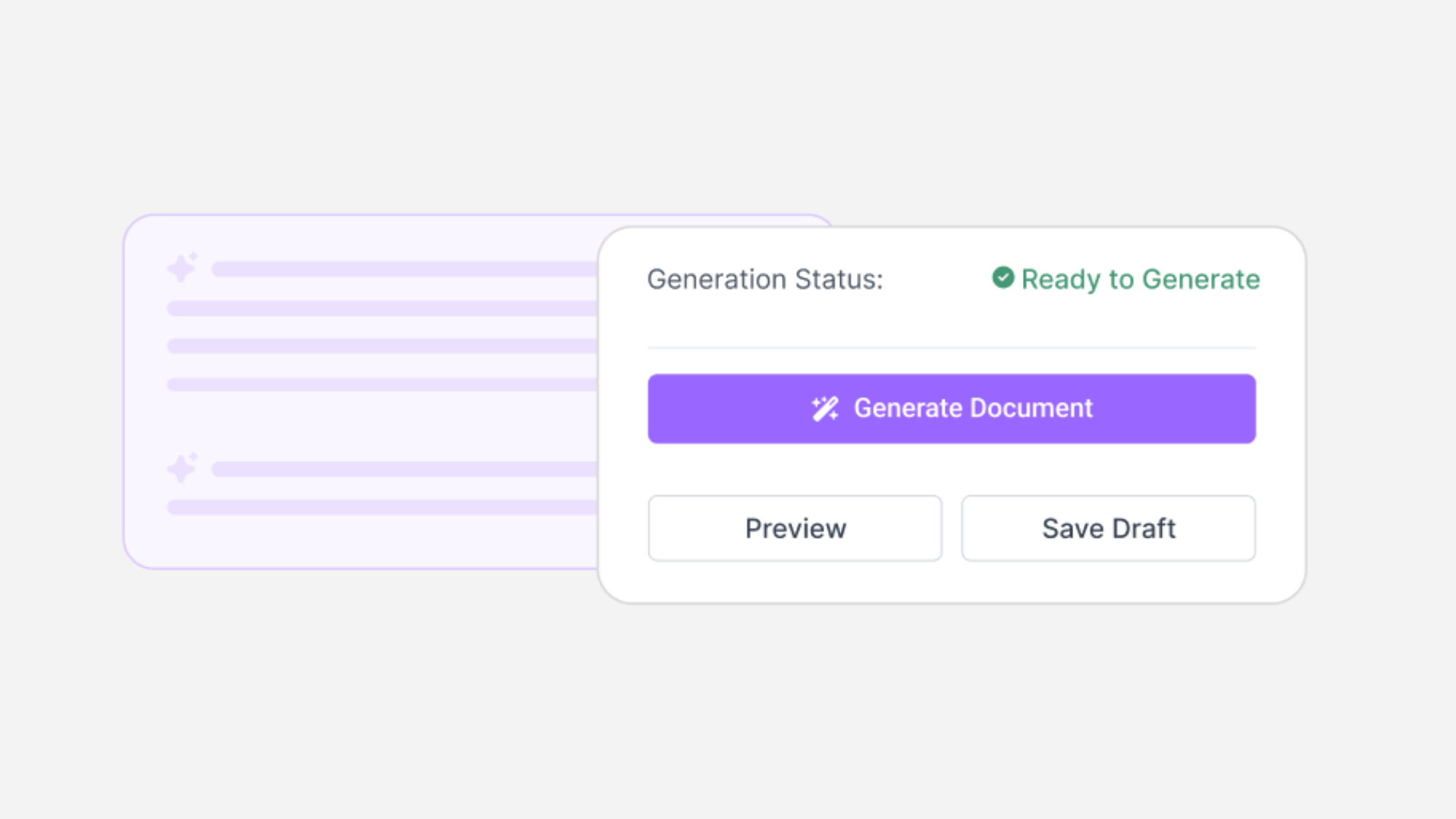
IONI runs CAPA as a workflow with required fields, tasks, due dates, approvals, and effectiveness checks. CAPA can be linked to deviations, internal audits, and complaints, creating a clear improvement narrative that auditors can verify.
6. Audit readiness that is continuous, not seasonal
What to look for:
You should be able to see readiness at any point, by requirement area, and by site. You should not need to assemble an audit binder manually.
How IONI helps:
IONI provides readiness visibility by connecting requirements to evidence completion. Evidence gaps show up as actionable items rather than as audit surprises.
7. Traceability and recall readiness that can be executed under pressure
What to look for:
Mock recalls should be repeatable and fast. Lot genealogy and supporting evidence should be retrievable without relying on one or two experts.
How IONI helps:
IONI is designed to connect evidence to lots and products, so traceability is supported by linked records. In a recall simulation, you can assemble a defensible pack that includes ingredient lots, monitoring records, sanitation evidence, and CAPA history.
8. Multi account governance and language support for global operations
What to look for:
If you operate multiple facilities, brands, or product lines, governance must scale. Language support matters when procedures, training, and records must match local execution.
How IONI helps:
IONI supports sub accounts for different locations or teams with role based access and governance. It also supports multilingual content so sites can operate in local language while maintaining consistent corporate visibility.
9. Onboarding that produces time to value quickly
What to look for:
A platform can be comprehensive but still fail if onboarding takes too long or requires heavy consulting.
How IONI helps:
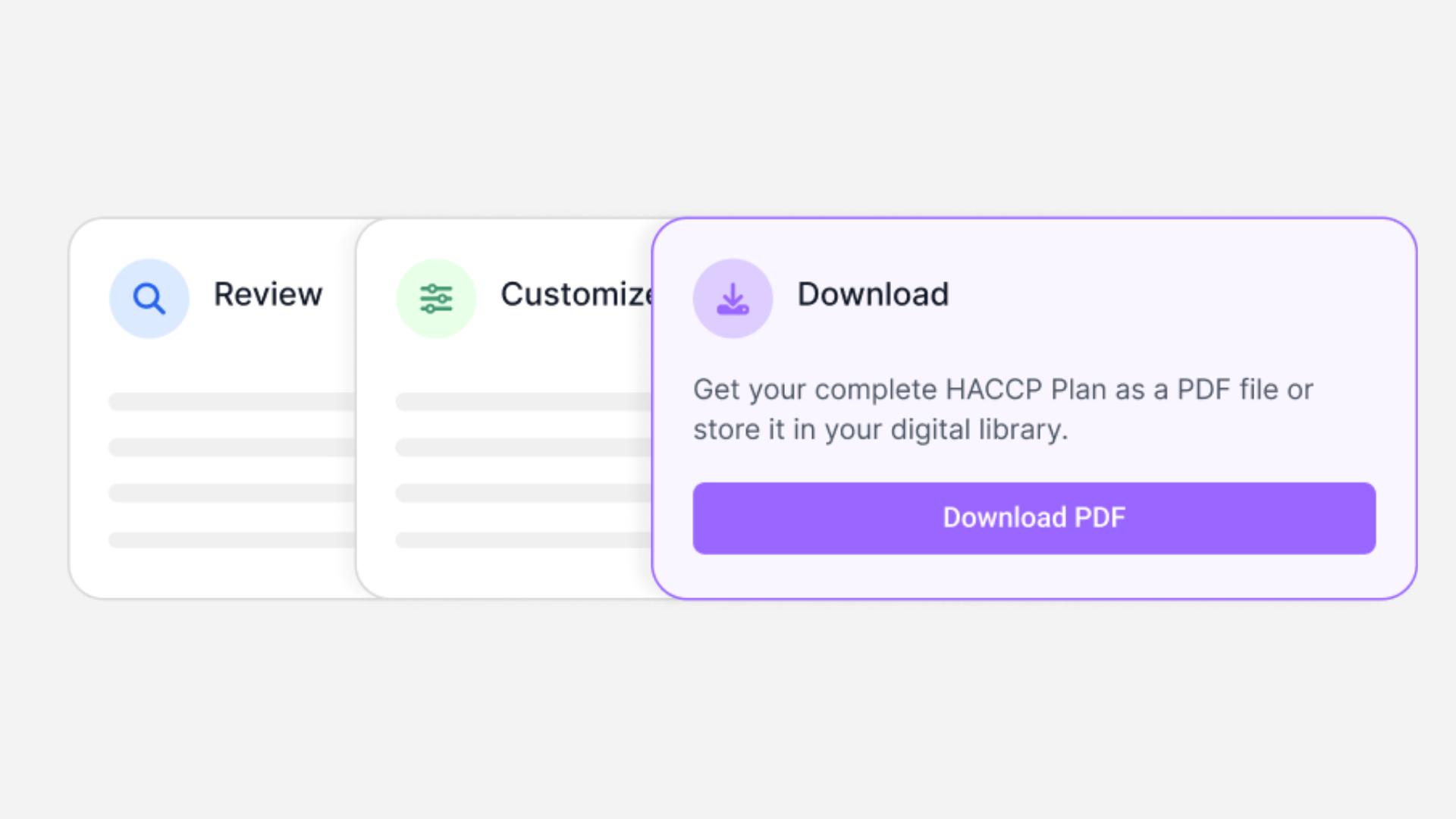
IONI onboarding is structured around capturing facility context, building a living HACCP model, configuring prerequisite program workflows, linking evidence expectations, and deploying task based execution.
The goal is to start generating audit grade evidence quickly, not after months of setup.
Get started with IONI today to digitize your floor, automate QA tasks, and ensure audit readiness. AI-powered onboarding gets your small facility up and running in days.
Conclusion: From GFSI Compliance Burden to Competitive Advantage
GFSI recognized certification schemes such as SQF and BRCGS exist because markets demand comparable assurance across global supply chains. GFSI explains that recognition applies to certification programme owners that meet benchmarking requirements, creating a common trust mechanism for buyers.
FSMA preventive controls obligations exist because regulators require preventive systems with provable implementation. FDA explains that the preventive controls rule requires a food safety plan including hazard analysis and risk based preventive controls to minimize or prevent identified hazards.
The difference between compliance as a burden and compliance as an advantage comes down to the operating model.
If compliance is manual, it becomes a recurring cycle of document chasing, late records, inconsistent procedures, and audit week disruption. It also becomes fragile under incident pressure, as illustrated by major 2025 recall investigations where fast traceability and defensible records matter.
If compliance is system driven, evidence becomes continuous, searchable, and trusted. Audit readiness becomes predictable. Corrective actions become effective. Leadership gets visibility. Plants get less friction.